
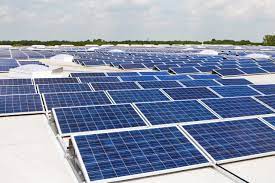
In recent years, solar energy has emerged as a popular and sustainable alternative to traditional fossil fuels. However, with its rise in popularity, various myths and misconceptions have also surfaced, clouding the public’s understanding of this renewable energy source. The expertise of brisbane solar installers ensures that solar panels are optimally placed to capture the maximum sunlight for energy production. In this comprehensive article, we aim to debunk these myths and shed light on the truth behind solar energy. Let’s separate fact from fiction and explore the real benefits and challenges of harnessing the power of the sun to meet our energy needs.
Solar Energy is Inefficient
One common misconception about solar energy is that it is inefficient and cannot generate enough power to meet the demands of modern society. This notion stems from outdated technology and misconceptions about solar panels’ capabilities. However, significant advancements in photovoltaic technology have occurred over the years, leading to substantial improvements in solar panel efficiency.
Modern solar panels can now convert sunlight into electricity with impressive efficiency rates, and ongoing research continues to push the boundaries of solar technology. Additionally, when combined with energy storage solutions, such as batteries, solar energy becomes a reliable and sustainable power source that can supply electricity even during cloudy days or at night.
Solar Energy is Expensive
Another prevailing myth is that solar energy is prohibitively expensive and only accessible to the affluent. While it’s true that the initial setup costs of installing solar panels can be significant, the long-term benefits outweigh the expenses.
With the increasing demand for solar energy and advances in manufacturing, the cost of solar panels has significantly reduced over the years. Additionally, government incentives, tax credits, and rebates are often available to encourage solar adoption, making it more affordable for homeowners and businesses alike.
Moreover, when considering the long-term savings on electricity bills and the positive impact on the environment, investing in solar energy becomes a financially sound and environmentally responsible choice.
Solar Panels Require Constant Maintenance
Some people are deterred from adopting solar energy due to the misconception that solar panels require constant maintenance. In reality, solar panels are designed to be durable and low-maintenance.
While it’s true that occasional maintenance may be necessary, such as cleaning debris from the panels or ensuring proper connections, modern solar panels are built to withstand harsh weather conditions and have long lifespans. Manufacturers often provide warranties that cover maintenance and replacements, giving consumers peace of mind.
Solar Energy is Inconsistent
One of the most persistent myths surrounding solar energy is that it’s inconsistent and unreliable due to its dependence on weather conditions. While it’s true that solar panels require sunlight to generate electricity, this does not render solar energy inconsistent.
In fact, solar energy systems can be designed to work in conjunction with other renewable energy sources, such as wind or hydroelectric power, creating a more stable and reliable energy supply. Additionally, the use of energy storage solutions, like batteries, allows for the storage of excess energy generated during sunny periods for use during cloudy days or at night, ensuring a consistent power supply.
Solar Energy is Harmful to the Environment
Some critics argue that the production and disposal of solar panels have a negative impact on the environment, offsetting the eco-friendliness of solar energy. While it’s true that the manufacturing process of solar panels involves the use of certain materials, such as silicon, advancements in technology have significantly reduced their environmental footprint.
Moreover, the energy generated by solar panels during their lifetime far outweighs the emissions produced during their production and disposal. Solar energy remains a cleaner and greener option compared to fossil fuels, as it produces no greenhouse gas emissions and helps combat climate change.
Solar Energy is Incompatible with Traditional Energy Grids
A common misconception is that solar energy is incompatible with traditional energy grids, making integration difficult. On the contrary, solar energy can be seamlessly integrated into existing energy grids.
Through net metering, excess energy generated by solar panels can be fed back into the grid, earning credits for the energy supplied. This not only benefits the environment but also provides financial incentives for solar panel owners. Additionally, with advancements in smart grid technology, energy distribution and management have become more efficient, further facilitating the integration of solar energy into the existing infrastructure.
Conclusion
In conclusion, debunking these myths about solar energy is crucial to fostering a deeper understanding of its true potential and benefits. Solar energy has come a long way and is now a viable and sustainable alternative to conventional energy sources. Its efficiency, affordability, and eco-friendliness make it an attractive option for a cleaner and brighter future.
Embracing solar energy not only reduces our carbon footprint but also helps secure a more stable and sustainable energy future for generations to come. By separating fact from fiction, we can pave the way for a greener and more sustainable world, powered by the boundless energy of the sun.