
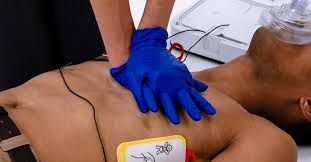
Hands-on CPR training is an essential skill that everyone should learn. In emergency situations, knowing how to perform CPR can mean the difference between life and death. By practicing the proper techniques in a hands-on training environment, individuals can feel more confident and prepared to act quickly when someone is in need.
Hands-on CPR training allows participants to practice chest compressions, rescue breathing, and how to use an automated external defibrillator (AED) on mannequins. This practical experience helps reinforce the steps involved in performing CPR correctly and effectively. By taking part in hands-on training, individuals can develop the skills and muscle memory needed to respond confidently in emergency situations, potentially saving lives.
Benefits of Hands-On CPR Training
Hands-on CPR training is a crucial skill that can empower individuals to act decisively in emergencies. Through hands-on CPR training, participants learn the correct techniques for chest compressions, rescue breathing, and AED use. This hands-on experience helps build muscle memory, ensuring that individuals can confidently perform CPR when needed. Moreover, practicing on mannequins in a training environment allows individuals to simulate real-life scenarios, better preparing them to respond effectively in critical situations.
Hands-on CPR training offers a unique opportunity for individuals to not only learn the necessary skills but also to practice and reinforce them in a controlled environment. By engaging in hands-on training, participants can gain confidence in their abilities to respond effectively during emergency situations. This practical experience helps ensure that individuals are prepared to take swift and decisive action when someone’s life is on the line. Ultimately, hands-on CPR training equips individuals with the knowledge and skills they need to make a difference and potentially save lives in critical situations.