
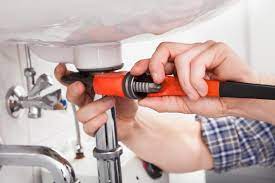
DIY plumbing hacks can be a lifesaver when you encounter minor plumbing issues around the house. From dripping faucets to clogged drains, knowing a few simple tricks can save you time and money. When facing a plumbing emergency, canadian rooter skilled technicians are just a call away to provide immediate assistance. In this article, we will share some valuable DIY plumbing tips to help you tackle common household plumbing problems like a pro.
Fixing a Dripping Faucet
A dripping faucet not only wastes water but can also be annoying. Fortunately, fixing it is relatively easy. Start by turning off the water supply to the affected faucet. Next, remove the handle and use a wrench to loosen the packing nut. Once the nut is loose, unscrew the stem and examine the O-ring and washer for any signs of damage. If they look worn out, replace them with new ones. Reassemble the faucet, turn on the water supply, and say goodbye to that annoying drip.
Unclogging a Sink or Drain
A clogged sink or drain can disrupt your daily routines. To clear a clog, try using a plunger. For sinks, seal the overflow opening with a wet cloth or tape to ensure proper suction. Position the plunger over the drain and vigorously plunge up and down for about 20 seconds. If the clog doesn’t budge, consider using a drain snake or auger to reach and remove the blockage.
Dealing with a Running Toilet
A running toilet can waste a significant amount of water and lead to higher water bills. To fix it, open the toilet tank and check the flapper and the chain connecting it to the flush handle. If the chain is too long or too short, adjust it to ensure a proper seal. If the flapper is worn or damaged, replace it with a new one. This should stop the water from running continuously.
Restoring Water Pressure
Low water pressure can be frustrating, especially during showers or while doing dishes. In some cases, the aerator on the faucet may be clogged with sediment, reducing water flow. Unscrew the aerator from the faucet, clean it by rinsing it in vinegar, and then reattach it. If the issue persists, check for leaks or sediment buildup in the pipes, and consider installing a water pressure regulator if needed.
Repairing a Leaky Pipe
A leaky pipe can cause water damage and lead to mold growth if not addressed promptly. If you spot a leak, turn off the main water supply immediately to prevent further damage. Use a pipe repair clamp or a piece of rubber and a hose clamp to temporarily seal the leak until you can get a professional plumber to fix it permanently.
Clearing a Garbage Disposal
If your garbage disposal is not working correctly, it may be jammed. Before attempting any repairs, turn off the power to the disposal unit. Use a long-handled wooden spoon or tongs to try and dislodge any objects causing the jam. Once cleared, turn the power back on and run water to see if the disposal is working correctly.
Fixing a Running Shower Head
A running shower head can be wasteful and irritating. The cause is often a faulty washer or O-ring. Disassemble the showerhead by removing the faceplate and handle. Replace the washer or O-ring and reassemble the showerhead. If the problem persists, consider replacing the entire shower head.
Repairing a Leaky Hose Bib
A leaky hose bib can result in water wastage. To fix it, turn off the water supply to the hose bib and unscrew the handle. Replace the washer inside the bib with a new one. Reassemble the handle and turn the water supply back on to check for leaks.
Unclogging a Toilet
A clogged toilet can be a source of panic. If plunging doesn’t work, try using a toilet auger or closet auger to remove the clog. Carefully insert the auger into the toilet bowl and turn the handle clockwise to push the auger through the clog. Once the clog is dislodged, flush the toilet to check if the water flows freely.
Preventive Measures
The best way to handle plumbing issues is to prevent them from occurring in the first place. Be mindful of what you flush down the toilet or wash down the drain. Install drain screens to catch hair and debris and use strainers in sinks to prevent food scraps from entering the drain.
Conclusion
With these DIY plumbing hacks, you can handle minor plumbing issues around the house like a pro. However, it’s essential to know your limits and call a professional plumber for more complex or extensive problems. Regular maintenance and prompt repairs can help you avoid costly plumbing disasters and keep your home’s plumbing system running smoothly.