Introduction
In industrial settings, saws are indispensable tools, essential for numerous applications across sectors like construction, manufacturing, metalworking, and woodworking. However, finding the right industrial saw is not a simple task. Each business or operation may have unique requirements that standard saws cannot fulfill, leading companies to invest in custom industrial saws. Customization options range from blade types to motor power, safety features, and automation compatibility, allowing businesses to streamline their operations, reduce costs, and increase efficiency.
This article will guide you through the essentials of custom industrial saws, the benefits of customization, and how to select the right saw to fit your unique needs.
The Basics of Custom Industrial Saws
Industrial saws are specialized machines designed for high-volume, high-precision cutting. Unlike saws used in residential or small-scale applications, industrial saws are built to withstand continuous operation and can cut through various materials, including metal, plastic, and wood. The versatility of these saws makes them invaluable in manufacturing and fabrication, but no two industries have identical needs.
This is where custom industrial saws come in. By customizing an industrial saw, companies can tailor the machine to their specific operational needs, thereby improving productivity and efficiency. Customization can include selecting specific blade materials, modifying cutting angles, adjusting feed rates, and enhancing automation features.
Benefits of Choosing a Custom Industrial Saw
Custom industrial saws offer numerous benefits, especially for industries with specialized requirements. Some of the key advantages include:
- Enhanced Precision: Custom saws can be tailored for precise cuts, minimizing material wastage and ensuring a perfect fit for parts and components.
- Increased Productivity: With features like optimized feed rates and automation, a custom saw can boost production speed, allowing businesses to meet deadlines and increase output.
- Improved Safety: Custom saws can be outfitted with safety features suited to specific operational risks, ensuring a safer work environment.
- Cost Efficiency: Though the initial investment may be higher, custom saws are designed to optimize performance, reduce wear and tear, and lower long-term maintenance costs.
Choosing the Right Custom Industrial Saw for Your Operations
When selecting a custom industrial saw, it’s essential to evaluate your operational needs, including the materials you’ll be cutting, production volume, and any specific safety or automation requirements. Choosing the Right Custom Industrial Saw for Your Operations can lead to improved efficiency, reduced downtime, and optimal resource allocation. Here are the primary considerations to keep in mind as you assess your options.
1. Material and Cutting Requirements
Different materials require different types of blades and cutting methods. For example, wood is generally softer and can be cut with high-speed steel (HSS) blades, whereas metals like aluminum and steel may require carbide-tipped blades or diamond blades.
Moreover, cutting thickness and tolerance levels should be factored into your choice. Some materials are prone to warping or cracking if cut too quickly or at incorrect angles, so choosing a saw with precise control over speed and angle is crucial for preventing damage and maintaining accuracy.
2. Type of Saw
Industrial saws come in various types, each suited for different applications:
- Band Saws: Ideal for cutting irregular shapes or curves in large workpieces. They are commonly used in metalworking and woodworking.
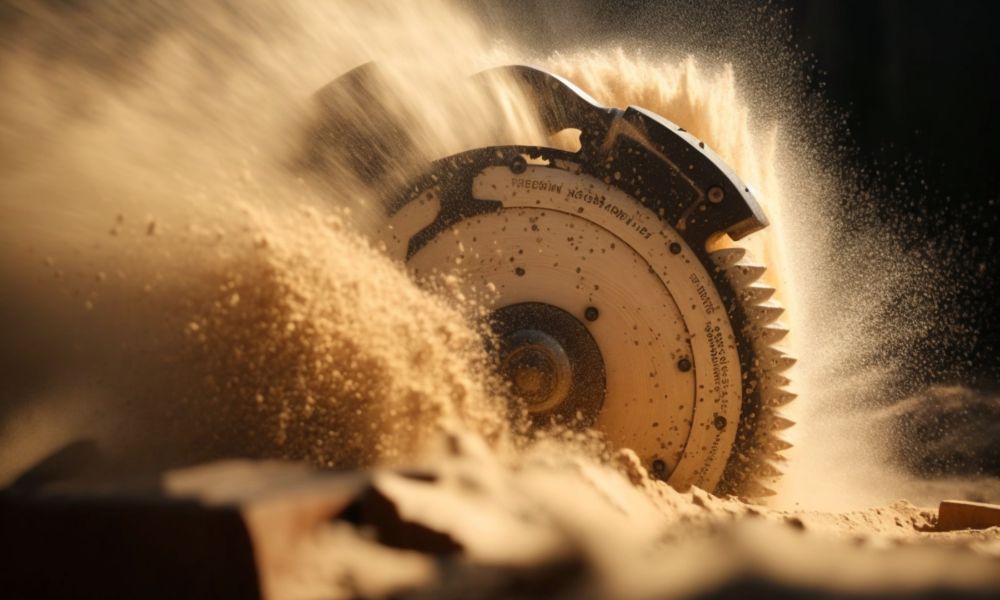
- Circular Saws: Excellent for making straight cuts and capable of handling both soft and hard materials. These are popular in construction and metal fabrication.
- Jig Saws: Often used for more intricate cuts on softer materials. They are more common in specialized applications, such as furniture design.
- Panel Saws: Suitable for handling large sheets of wood or other materials, commonly used in carpentry and cabinetry.
Selecting the appropriate saw type is a crucial part of customizing your machine. Consider the primary materials and cutting tasks your operations require and consult with a specialist to determine the ideal saw type.
3. Blade Type and Specifications
The blade type is the core component of any saw, as it determines the quality, speed, and efficiency of cuts. Depending on the application, you may need blades made from specific materials such as tungsten carbide, diamond, or high-speed steel. Additionally, blade diameter, thickness, tooth configuration, and number of teeth per inch (TPI) should be chosen according to your project requirements.
For custom saws, having the flexibility to choose blade specifications can make a significant difference in productivity and finish quality. Many manufacturers offer blade customization to ensure that their saws meet the unique needs of various industrial applications.
4. Automation and Control Options
Automation can be a game-changer in industrial settings, especially for high-volume production. Custom industrial saws can be equipped with automated feeding systems, programmable cutting parameters, and digital monitoring controls, which allow for greater precision and efficiency.
By reducing the need for manual intervention, automation also decreases the risk of human error and improves worker safety. Many modern custom saws can be integrated into computerized systems, allowing for remote monitoring and diagnostics, which is particularly valuable in industries where downtime can be costly.
5. Safety Features
Safety is a paramount concern in any industrial setting. Custom industrial saws can be equipped with safety features tailored to your work environment, including emergency stop buttons, blade guards, dust extraction systems, and automatic shut-off mechanisms.
Moreover, custom saws can also include operator protection systems that detect any human presence in close proximity to the cutting area and pause operation, helping prevent accidents. These safety features not only protect workers but also minimize potential disruptions in the workflow.
6. Maintenance and Durability
Custom industrial saws, being tailored to specific applications, often have extended longevity compared to standard models. When selecting a saw, look for components designed to withstand the unique demands of your operations. Choose a manufacturer who offers support for parts replacement, routine maintenance, and technical assistance to help ensure the longevity and performance of your equipment.
It’s wise to invest in a saw built with durable materials, such as reinforced steel for frames and wear-resistant coatings on moving parts. Additionally, custom saws can be designed for easy maintenance, reducing downtime and allowing your team to focus on productivity.
Conclusion
Selecting the ideal custom industrial saw involves more than simply choosing a machine that cuts materials. By carefully evaluating the materials, type of saw, blade specifications, automation capabilities, safety features, and maintenance needs, you can select a saw that aligns with your operational goals and maximizes efficiency. Choosing the right custom industrial saw for your operations can be a game-changer, providing precision, safety, and productivity tailored to your needs.
Investing in a custom industrial saw is a strategic decision that can bring lasting benefits. It enables businesses to maintain a competitive edge in demanding industries, where accuracy, speed, and safety are essential. A well-chosen custom saw will pay dividends in productivity, profitability, and worker safety, making it a vital asset for any industrial operation.