
Hellcome Home

Renovating for Pet-Friendly Homes: Spaces Your Furry Friends Will Love

In the quest for the perfect dream home makeover, there’s often one vital member of the family whose needs are sometimes overlooked – our furry friends. Our pets are not just animals; they’re beloved members of our households. Creating a pet-friendly home involves more than just adding a doggy door or a scratching post; it’s about integrating their needs seamlessly into your living space. In this comprehensive guide, we’ll explore how you can renovate your home to create spaces that your pets will love while maintaining the aesthetics and functionality of your dream home.

The Importance of Pet-Friendly Spaces

Before we dive into the specifics of designing pet-friendly spaces, let’s understand why it’s essential. Our pets, whether cats, dogs, or smaller critters, have unique needs and behaviors. By catering to these needs, you not only improve their quality of life but also enhance your own living experience.

Promoting Physical and Mental Well-being

Pets, especially dogs, require regular exercise and mental stimulation. By designing spaces that encourage physical activity and play, you can help your pets maintain a healthy weight and reduce the risk of behavior problems caused by boredom.
Studio Mcgee Home Office Ideas

Minimizing Stress and Anxiety

Pets, particularly cats, are territorial creatures. When you renovate your home with their needs in mind, you create safe and comforting spaces where they can retreat when they need a break from the hustle and bustle of household life. This can significantly reduce their stress levels.

Designing Your Dream Home with Pets in Mind

Now that we’ve established the importance of pet-friendly spaces, let’s delve into practical tips for integrating these into your home.

Pet-Friendly Flooring

Pets can be hard on your floors, especially if they have accidents or scratch surfaces. Consider pet-friendly flooring options like laminate, luxury vinyl, or pet-resistant carpeting. These materials are not only durable but also easy to clean.

Smart Storage Solutions

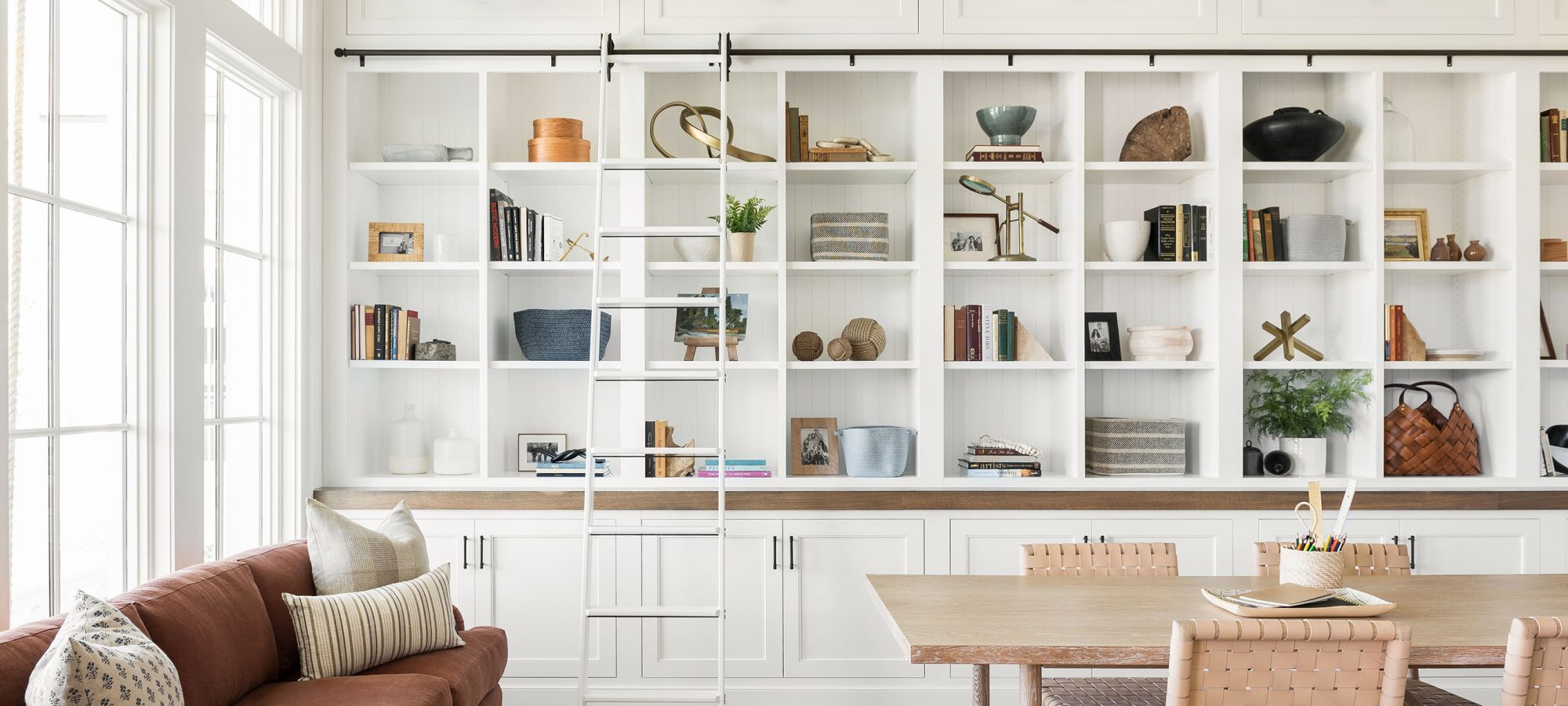
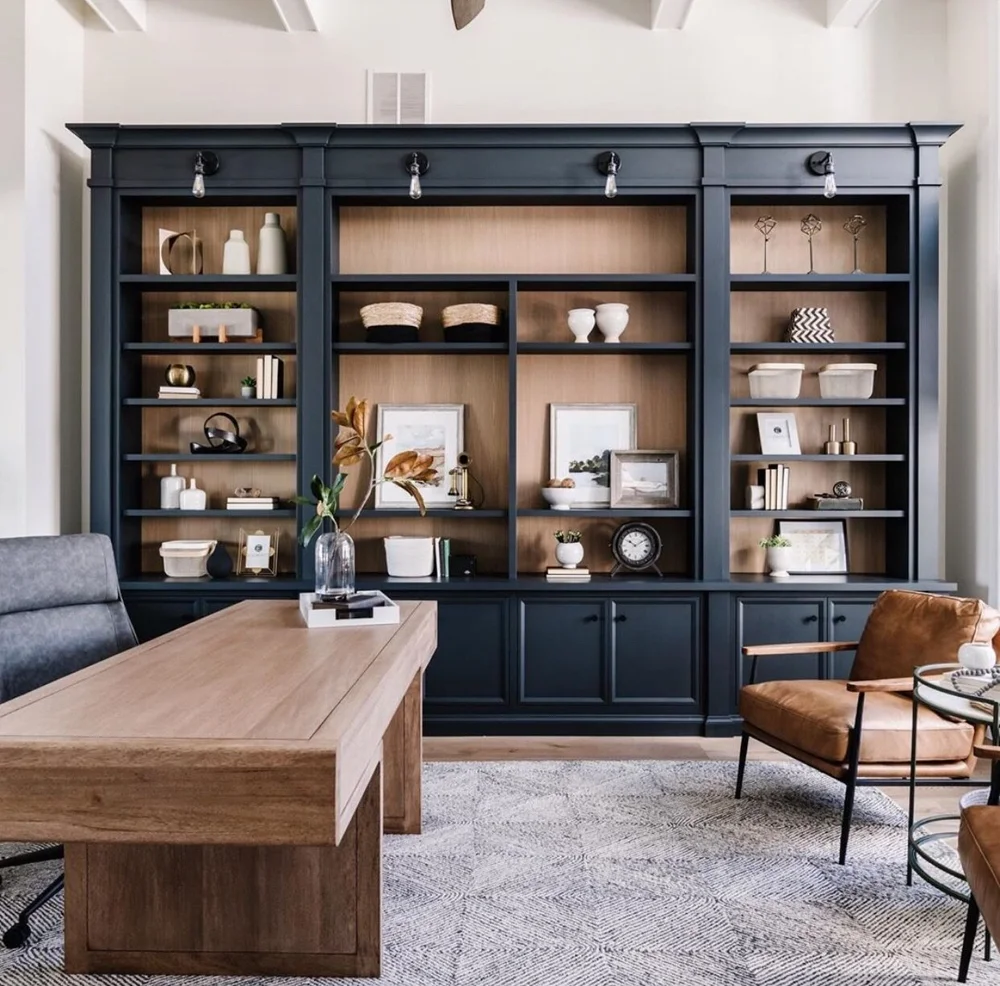
Pets come with a lot of accessories – toys, food, leashes, and grooming supplies. Designing storage solutions that keep these items organized can help maintain a clutter-free living space. Built-in cabinets or designated pet zones can be stylish and functional. Renovating for pet-friendly homes involves incorporating smart storage solutions to keep your furry friends’ belongings organized and easily accessible throughout the house.

Creating Pet Nooks

Pets love to have their cozy corners. Create designated pet nooks with comfortable bedding or cushions where they can rest or observe their surroundings. These spots can be seamlessly integrated into your home’s design.

Pet-Friendly Landscaping

If you have outdoor space, don’t forget to consider your pet’s needs there as well. Fenced-in yards, pet-friendly plants, and designated play areas can make your outdoor space a paradise for your pets.

Safety First

While designing pet-friendly spaces, safety should be a paramount concern. Here are some safety tips to keep in mind:

Toxic Plants and Substances

Be aware of plants and substances that can be toxic to pets. Avoid these in your home and garden to keep your furry friends safe.

Secure Fencing

If you have outdoor areas, ensure your fencing is secure. This prevents your pets from wandering off and keeps them safe from potential hazards.

Child/Pet Gates

Use child or pet gates strategically to keep your pets out of certain areas when needed, such as kitchens or home offices. Exploring pet-friendly home renovations can be an insightful Source of Knowledge, providing ideas and solutions to create spaces where your furry friends will feel right at home.

Conclusion

In your quest to create a dream home makeover, remember that your pets are an integral part of your family. By incorporating pet-friendly design elements into your home, you not only enhance their quality of life but also create a harmonious living environment for all. With pet-friendly flooring, smart storage solutions, cozy pet nooks, and safety measures in place, your home will be a haven where both you and your furry friends can thrive.

Hydroponic Urban Planning: Cultivating Sustainable Cities of the Future

Hydroponic Urban Planning: Cultivating Sustainable Cities of the Future

Urban planning plays a pivotal role in the development and sustainability of modern cities. As urban populations continue to grow, there’s a pressing need to ensure food security, environmental sustainability, and efficient land use. Hydroponic urban planning, which integrates hydroponic farming into city design, presents a visionary solution to address these challenges. In this guide, we’ll explore the concept of hydroponic urban planning, its benefits, and how it can shape the cities of the future. For more information regarding hydroponic plant one can visit our site https://hydroponicglobal.com.au/.

Understanding Hydroponic Urban Planning:

Hydroponic urban planning is an innovative approach that incorporates hydroponic farming systems into the design and infrastructure of urban areas. It aims to create sustainable, self-sufficient, and green cities by integrating food production directly into the urban fabric.

Benefits of Hydroponic Urban Planning:

1. Food Security: Urban agriculture, particularly hydroponics, enhances food security by providing fresh, locally grown produce year-round, reducing reliance on distant food sources.

2. Resource Efficiency: Hydroponic systems use less water, land, and pesticides compared to traditional farming, making them a resource-efficient solution for urban environments.

3. Reduced Food Miles: Locally grown hydroponic produce reduces the environmental impact associated with long-distance food transportation, including greenhouse gas emissions.

4. Green Spaces: Vertical hydroponic gardens and rooftop farms can transform underutilized urban spaces into green, productive areas that improve air quality and enhance the urban environment.

5. Community Engagement: Hydroponic urban planning encourages community involvement in food production, education, and sustainable living practices.

6. Resilience: By diversifying food sources within urban areas, cities become more resilient to external disruptions, such as supply chain interruptions or extreme weather events.

Key Elements of Hydroponic Urban Planning:

1. Integration into Urban Design:

– Incorporate hydroponic farming systems into urban infrastructure, including buildings, parks, and public spaces.

2. Zoning and Regulations:

– Develop zoning regulations that support urban agriculture, including hydroponic farming, and provide incentives for its adoption.

3. Community Gardens and Allotments:

– Create community gardens and allotments equipped with hydroponic systems to engage residents in sustainable food production.

4. Educational Initiatives:

– Establish educational programs and workshops to teach residents about hydroponics and urban agriculture, fostering a culture of sustainability.

5. Green Building Standards:

– Encourage green building standards that incorporate hydroponic farming solutions, such as rooftop gardens or living walls, into new construction.

6. Local Food Networks:

– Develop local food networks that connect hydroponic growers with urban residents and businesses, promoting the consumption of locally produced food.

Challenges and Considerations:

– Hydroponic urban planning requires careful consideration of factors like space availability, infrastructure, and community engagement.
– Initial investments in hydroponic systems and infrastructure can be high but often yield long-term savings and benefits.
– Public awareness and support for urban agriculture, including hydroponics, are essential for successful implementation.

Conclusion:

Hydroponic urban planning represents a forward-thinking approach to addressing the complex challenges faced by modern cities. By integrating hydroponic farming into urban design, cities can enhance food security, promote sustainability, and create healthier, more resilient urban environments. As urban populations continue to grow, hydroponic urban planning offers a blueprint for sustainable, self-sufficient, and green cities of the future.

Scroll To Top